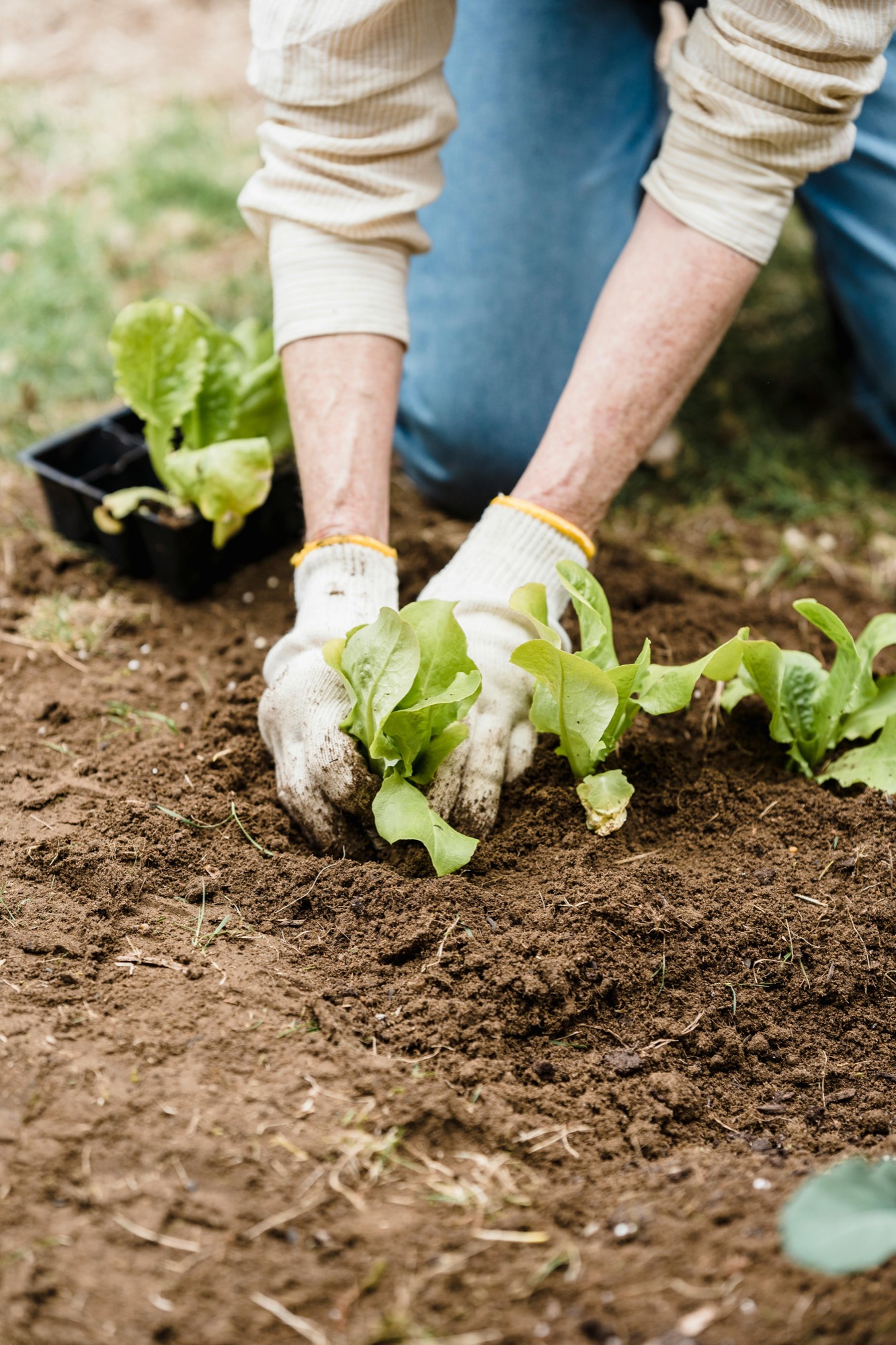
The first garden does not need to prove that you are a homesteader. It needs to teach you what grows, what gets eaten, what gets ignored, and what your actual week can maintain.
That is a different goal than filling every inch of soil with interesting seed packets. A beginner homestead garden should start with crops that meet three tests: your household already eats them, your season can support them, and you can water, weed, harvest, and use them without turning the garden into another source of pressure.
The real job of a first garden
A first garden is not mainly about yield. Yield matters, but it is not the only scorecard. The first year is also teaching you how fast your soil dries out, how much water the space needs, where the pests show up, what you forget to harvest, which foods your family actually reaches for, and what kind of garden work fits after a normal day.
That is why the best first crops are not always the flashiest crops. They are the crops that give you clear feedback. Some grow quickly. Some teach patience. Some become real meals. Some expose weak spots in watering or spacing. A good beginner crop earns its place by helping you understand the system, not just by looking good in a planting chart.
Start with food you already eat
This sounds obvious, but beginners skip it all the time. Seed catalogs make unusual crops feel like commitment. Social media makes large harvest baskets feel like the goal. But if nobody in the house cooks eggplant, a perfect eggplant harvest may still become a burden. If your family uses onions, potatoes, lettuce, herbs, beans, tomatoes, and squash every week, those crops deserve more attention than novelty.
This does not mean the garden has to be boring. It means the first garden should connect to real meals. A crop that goes into tacos, soup, eggs, pasta, salads, stir-fries, sandwiches, or sheet-pan dinners has a better chance of being harvested and used. The crop that only exists because the packet was pretty has a higher chance of becoming compost practice.
Understand cool-season and warm-season crops
A lot of first-garden disappointment comes from planting the right crop at the wrong time. Extension planting guides are consistent on the big idea: cool-season crops prefer cooler weather and often belong in early spring or fall, while warm-season crops need warm soil and should not be rushed into frost.
That means lettuce, spinach, peas, radishes, kale, carrots, beets, and many brassicas are not the same kind of decision as tomatoes, peppers, cucumbers, beans, basil, squash, and melons. A beginner does not need to memorize every chart. But you do need to know whether the crop wants cool weather or warm weather before it goes in the ground.
The best first crops for most beginners
There is no universal perfect list, but some crops make better teachers than others. The strongest first garden usually includes a mix of quick feedback, reliable production, useful flavor, and at least one crop that teaches patience.
Notice what is not happening here. This is not a fantasy pantry plan. It is not ten tomato varieties, six peppers, corn, pumpkins, melons, dry beans, medicinal herbs, and a cut flower patch all at once. Those can come later. The first year should be clear enough that you can see what worked.
A simple first-garden crop plan
If you want a practical starting point, build the garden around roles instead of around every crop you like. Roles keep the list short and useful.
What I would plant first
If I were starting a modest first homestead garden and wanted the best learning return, I would choose basil or parsley, lettuce or kale in the right season, bush beans, summer squash, cherry tomatoes from transplants, and potatoes if I had enough room. If the season were still cool, I would add radishes or peas. If it were already warm, I would not force cool-season greens just because they sounded beginner-friendly.
That list is not trying to feed the household completely. It is trying to teach the garden. Herbs teach daily usefulness. Greens teach timing. Beans teach direct seeding and repeat harvest. Squash teaches space and pests. Tomatoes teach staking, watering, and observation. Potatoes teach patience and the difference between visible progress and real progress underground.
What can wait until the second season
Waiting is not failure. Waiting is how a beginner garden stays useful. Some crops are worth learning later after you understand your water, soil, pest pressure, and attention limits.
The crop that can wait is often the crop that depends on a version of you who has more time, more experience, or more space than you currently have. That future version may come. It does not need to run the first planting list.
How many varieties should you plant?
Fewer than you want. That is the honest answer. A first garden with 5 to 8 crops can teach more than a first garden with 25 crops because there is less noise. You can see what happened. You can tell which crop needed more water, which one got shaded, which one nobody harvested, and which one earned more space next year.
If you want variety, use variety inside limits. Two tomato plants are easier to understand than twelve. One row of beans is easier to manage than a scattered mix of every bean that sounded interesting. A small herb patch beside the kitchen may be more useful than a large bed of crops that only looked good in April.
How to tell if your first crop list is working
A good first crop list leaves evidence. You should be able to see what got eaten, what got neglected, what struggled with timing, what needed more support, and what made the week feel a little more capable.
The maintenance test
A garden plan should be judged less by planting-day enthusiasm and more by maintenance reality. Can you water it, weed it, reach it, harvest it, and notice problems during the busiest normal week of the season? If not, the garden is not too humble. It is too big, too far away, or too dependent on ideal conditions.
This is why a small first garden can be a stronger teacher than a big one. Small gardens make cause and effect easier to see. You notice which bed dries first, which crop gets ignored, which harvest actually reaches the kitchen, and which job you avoid. That information is worth more than another row planted from optimism.
A final first-season reality check
Before the plan goes into the ground, ask what this garden will need in the least convenient month, not the most exciting one. Planting day is usually easy. The test comes when weeds, heat, pests, travel, work, and family life arrive at the same time. A beginner garden that stays small enough to observe and maintain will teach more than a large planting that turns into a guilt project by midsummer.
Best Next Step
Turn the crop list into a first-season plan.
Use the first-season checklist to choose one food system, set a spending boundary, and write down what can wait before the garden gets too big.
Get the first-season checklistRecommended next reads
Read the next guide that supports this decision
These pieces help connect the crop list to garden size, compost, and a first-season budget.
Gardening
How to Plan Your First Homestead Garden Without Doing Too Much
A successful first garden is smaller, clearer, and less romantic than many beginners expect. That is a good thing.
Gardening
How to Start Composting for Beginners Without Making a Mess
Composting is one of the simplest homestead skills to start early, but beginners often make it too complicated. Here is how to begin with a small, clean system that actually fits real life.
Budgeting
Homesteading on a Budget: What to Buy First and What Can Wait
If money is tight, the smartest homestead purchases are the ones that reduce friction quickly and keep you from rebuying the same lesson twice.
Frequently asked questions
What should a beginner plant first in a homestead garden?
Most beginners should start with crops their household already eats, plus a few easy teachers: herbs, leafy greens, bush beans, summer squash, cherry tomatoes, potatoes, and one or two storage crops if space allows.
Should beginners start with seeds or transplants?
Use both where they make sense. Direct-seed easy crops like beans, peas, radishes, lettuce, and squash. Buy transplants for slower warm-season crops like tomatoes and peppers until seed starting becomes its own proven skill.
How many crops should a beginner grow the first year?
A first garden usually works better with 5 to 8 useful crops than with 20 experiments. Fewer crops make watering, weeding, pest observation, and harvest timing easier to learn.
What crops should beginners avoid at first?
Delay crops that need lots of space, precise timing, heavy pest management, or a harvest your household does not actually eat. Corn, melons, fussy brassicas, too many tomato varieties, and novelty seed packets can usually wait.
Recommendations
Useful tools and resources for this decision
These are included only where they reduce repeated friction, clarify a next step, or help you avoid buying the wrong thing first.
Worth the money
Pruning shears
A sharp, comfortable pair of shears for repeated little trimming, harvesting, and cleanup jobs.
Check current priceBeginner-friendly
Seed starting tray set
A simple tray setup for learning seed starting without turning the first attempt into a full indoor nursery.
Check current priceCompost thermometer
A practical tool for understanding what your compost pile is actually doing.
Useful once composting becomes a regular part of your system.
Check current priceRecommended next reads
Read next if it helps the decision
Move into the next guide only if it clarifies the next practical step.
Gardening
How to Plan Your First Homestead Garden Without Doing Too Much
A successful first garden is smaller, clearer, and less romantic than many beginners expect. That is a good thing.
Gardening
How to Start Composting for Beginners Without Making a Mess
Composting is one of the simplest homestead skills to start early, but beginners often make it too complicated. Here is how to begin with a small, clean system that actually fits real life.
Budgeting
Homesteading on a Budget: What to Buy First and What Can Wait
If money is tight, the smartest homestead purchases are the ones that reduce friction quickly and keep you from rebuying the same lesson twice.
Garden gear support
Get the buy-first guide before the first garden collects too much gear.
Use the guide to decide which early garden purchases earn money now, which ones can be borrowed, and which ones can wait until the routine proves itself.
Best for: Beginners who keep seeing useful things online and need a disciplined way to decide what actually earns a place.
- A buy now, borrow, wait, or skip framework
- Starter category shortlists
- A three-question purchase test
Garden planning notes, restrained gear decisions, and the guide first.
After signup, the download will unlock right here so you can save or print it.
About the author
William Mock
Founder, writer, and beginner homesteader
William writes from the beginner side of rebuilding after a layoff: homestead plans, family systems, budgets, tools, and the decisions that make a home feel less fragile.
Read why this site existsRelated Guides
Keep building context
Gardening
How to Plan Your First Homestead Garden Without Doing Too Much
A successful first garden is smaller, clearer, and less romantic than many beginners expect. That is a good thing.
Gardening
How to Start Composting for Beginners Without Making a Mess
Composting is one of the simplest homestead skills to start early, but beginners often make it too complicated. Here is how to begin with a small, clean system that actually fits real life.
Budgeting
Homesteading on a Budget: What to Buy First and What Can Wait
If money is tight, the smartest homestead purchases are the ones that reduce friction quickly and keep you from rebuying the same lesson twice.