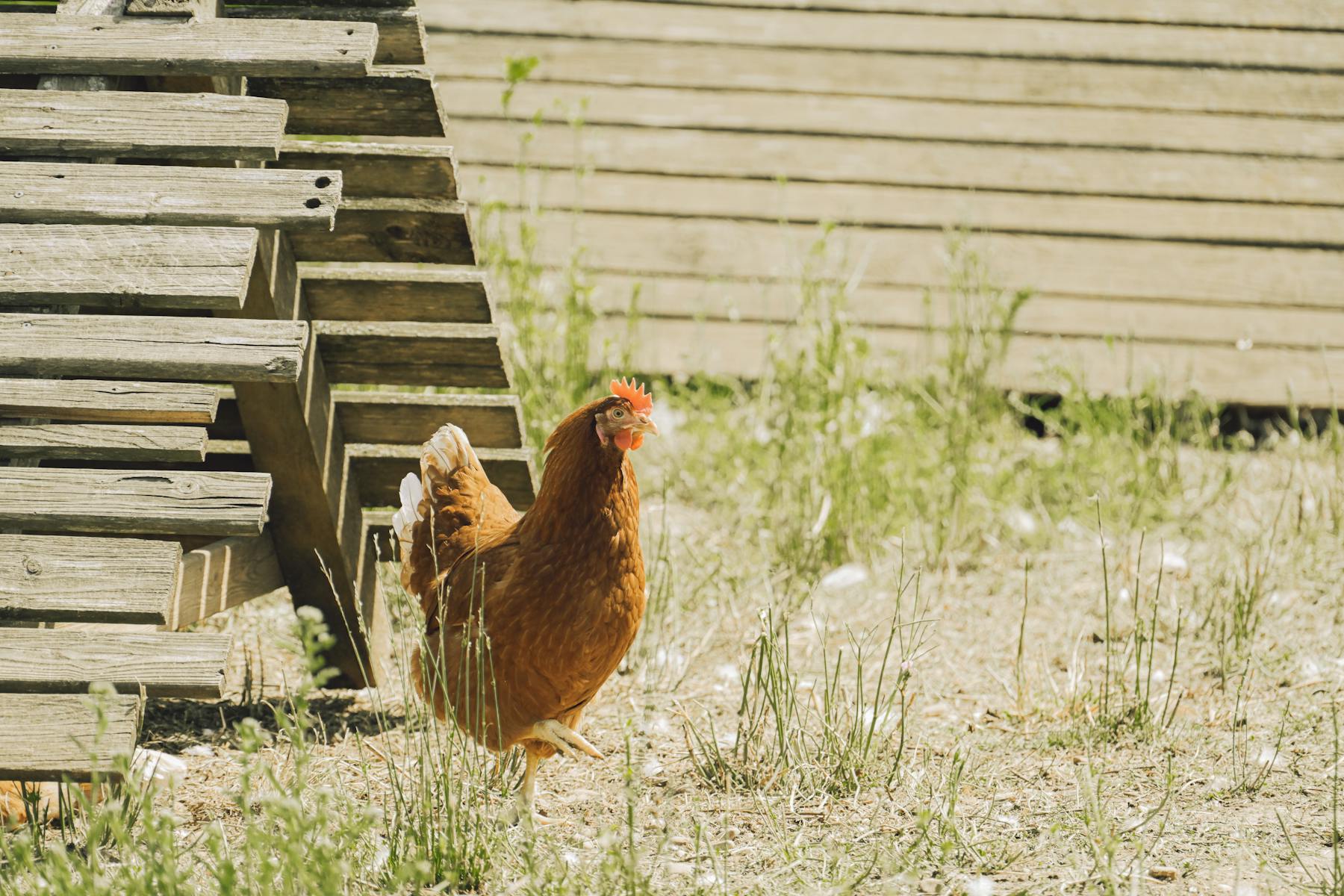
Most beginner chicken mistakes do not start with the chickens. They start with the number. Too few birds and the whole setup can feel like a lot of infrastructure for not many eggs. Too many birds and suddenly the charming little flock has become a feed bill with feathers, opinions, and a talent for finding every weak spot in your routine.
For many first-time chicken keepers, the practical answer is 3 to 6 hens. Three is the smallest range I would usually consider if you want an actual flock. Four is a steady middle for a lot of households. Five or six can make sense if you have the space, want a more useful egg supply, and are ready for the extra feed, bedding, cleanup, and water management.
Start with rules before egg math
Before you calculate how many omelets your future self deserves, check your city, county, neighborhood, and HOA rules. Some places limit flock size. Some ban roosters. Some require permits, setbacks, covered runs, or specific coop placement. This is not the romantic part of chicken keeping, but it is the part that keeps the first flock from becoming a stressful neighbor or code problem.
Once the rules are clear, write the allowed number down and treat it as a ceiling, not a target. If your town allows ten hens, that does not mean ten is a wise beginner flock. It only means ten is legally possible. Legally possible and household-sustainable are not the same thing.
Space decides more than egg appetite
Space is where the flock-size question gets real. Extension guidance varies by setup, but a useful planning range is roughly 3 to 5 square feet of indoor coop space per bird, with more room needed if birds do not have reliable outdoor access. Outdoor run space, ventilation, predator protection, and the ability to clean the setup all matter as much as the raw square footage.
What each starter flock size feels like
Three hens is the lean start. It is good when rules are tight, space is modest, or you want to learn chicken care without adding a lot of recurring cost. The tradeoff is that egg supply will be modest and every bird matters more. If one hen stops laying, molts, gets broody, or has a health issue, the drop is noticeable.
Four hens is the number I keep coming back to for beginners who want a real flock without making the project too big. It gives you a little more egg cushion, a little more flock stability, and still keeps the setup manageable if you have a modest coop and run.
Five or six hens is the useful-family range. This is where the egg supply starts to feel more meaningful, but the setup also starts asking for better storage, better water capacity, better bedding rhythm, and more honest cleanup habits. Six hens are still very reasonable for many beginners, but only if the infrastructure is ready before the birds are.
Seven or more hens is where I would slow down hard for a first flock. That number can work, but it is no longer a tiny learning project. Feed disappears faster, water chores matter more, coop mistakes get amplified, and any predator weakness becomes more painful. If you are brand new, there is no shame in letting year one teach you before you scale.
Egg math is useful, but not perfect
Hens are not vending machines with beaks. Breed, age, daylight, weather, feed, stress, molting, and health all affect laying. Many hens begin laying around six months old, and production is usually strongest in the earlier laying years, but there will still be slow stretches. Build your flock size around usefulness, not a fantasy spreadsheet where every bird lays on command.
Daily chores are the real test
The flock-size decision should be made with a very unglamorous question: what happens on a wet Tuesday when you are tired, dinner is late, and the waterer is gross? Chickens need daily feed and water. Eggs need collecting. Coops and pens need regular cleaning. Birds need protection at night. The bigger the flock, the less forgiving a clumsy setup becomes.
What I would do first
If I were starting from scratch and had no local rule forcing a smaller number, I would probably plan around four hens first. Four is enough to feel like a real flock. It gives a beginner more feedback than two birds, more cushion than three, and less pressure than six or eight. If the coop and run were already strong and the family clearly used a lot of eggs, I would consider six. I would not start with eight just because the hatchery website made it easy to click.
What to buy after the number is clear
Do not buy a pile of chicken gear before you know the flock size. A tiny flock can limp along with smaller equipment while you learn. A six-hen flock needs a calmer feed and water system sooner. The useful early purchases are the ones tied to repeated work: feeding, watering, storing feed, cleaning, and keeping predators out.
Recommendations
Three purchases that scale with flock size
Feeding basics
Hanging metal feeder
Worth pricing once feed scatter becomes a real recurring cost instead of a minor annoyance.
Check current priceWater rhythm
Five-gallon poultry waterer
Potentially useful for a larger starter flock, but more capacity than the smallest flock may need.
Check current priceStorage first
Sealed feed storage container
A practical buy once you are storing full bags of feed and need a cleaner, drier system.
Check current priceThe best beginner answer
Start with the smallest flock that still teaches you the real system. For many people, that means four hens. If your space is tighter, three can work. If your setup is ready and your family uses enough eggs, six can be reasonable. The wrong answer is the number chosen by excitement, a sale bin, a minimum order, or a fantasy version of your week.
A first flock should make you more capable, not more frantic. If the number lets you feed, water, clean, observe, and protect the birds without turning every day into a scramble, it is probably a better number than the one that looked impressive on paper.
Before You Buy Birds
Put the first flock setup on paper.
Use the chicken checklist to price the feeder, water, feed storage, housing, recurring costs, and weekly rhythm before the birds arrive.
Get the chicken checklistRecommended next reads
Read next if chickens are your first food system
These guides help turn the flock-size decision into a setup you can actually maintain.
Chickens
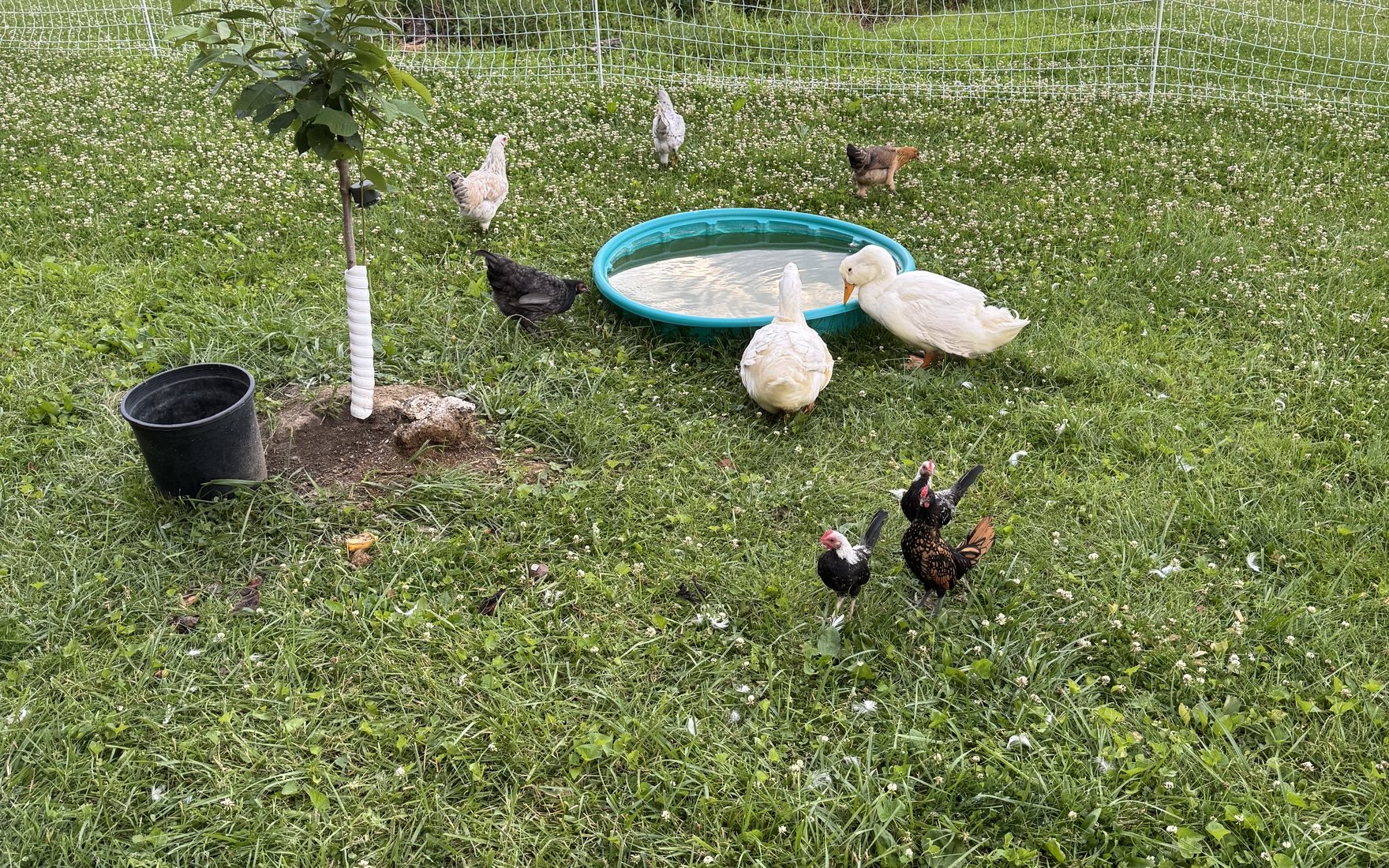
The Real Cost of Getting Started With Backyard Chickens
Backyard chickens can be a strong first step into homesteading, but the startup costs and recurring work deserve an honest look.
Chickens
Best Chicken Feeder for Beginners
The best chicken feeder for beginners is usually the one that stays boring: low mess, enough capacity, weather-tolerant, and easy to refill without becoming another daily irritation.

Budgeting
Homesteading on a Budget: What to Buy First and What Can Wait
If money is tight, the smartest homestead purchases are the ones that reduce friction quickly and keep you from rebuying the same lesson twice.
Frequently asked questions
How many chickens should a beginner start with?
For many beginners, 3 to 6 hens is the most practical starting range. Three is usually the smallest useful flock, four is a calmer middle, and six gives more eggs and flexibility without jumping straight into a large setup.
Is three chickens enough for a beginner?
Three hens can be enough if your space, budget, and local rules are tight. It gives the birds a small flock and gives you enough daily care experience without creating a big feed, coop, or cleanup load.
Should a beginner start with more than six chickens?
Usually not for the first flock. More than six can make sense if you already have the space, budget, and routine, but beginners usually learn faster with a flock small enough that mistakes are cheaper and easier to correct.
Recommendations
Useful tools and resources for this decision
These are included only where they reduce repeated friction, clarify a next step, or help you avoid buying the wrong thing first.
Useful after flock size is set
Harris Farms galvanized hanging poultry feeder, 30 lb
A straightforward metal feeder that makes the most sense once your starter flock is large enough that feed waste starts to matter.
Best for: Beginner flocks where daily feed scatter would get expensive or annoying quickly
Check current priceWorth pricing
Farm Tuff top-fill poultry fountain, 5 gallon
A larger gravity waterer for small backyard flocks where fewer refills matter more than a novelty watering setup.
Best for: Keeping water chores calmer once you move past the smallest flock
Check current priceBuy for storage, not looks
Gamma2 Vittles Vault stackable feed container, 40 lb
A sealed, stackable feed container that helps keep opened feed drier, tidier, and less exposed to pests.
Best for: Protecting feed once you are buying full bags instead of tiny amounts
Check current priceRecommended next reads
Read next if it helps the decision
Move into the next guide only if it clarifies the next practical step.
Chickens
The Real Cost of Getting Started With Backyard Chickens
Backyard chickens can be a strong first step into homesteading, but the startup costs and recurring work deserve an honest look.
Chickens
Best Chicken Feeder for Beginners
The best chicken feeder for beginners is usually the one that stays boring: low mess, enough capacity, weather-tolerant, and easy to refill without becoming another daily irritation.
Budgeting
Homesteading on a Budget: What to Buy First and What Can Wait
If money is tight, the smartest homestead purchases are the ones that reduce friction quickly and keep you from rebuying the same lesson twice.
Chicken setup support
Get the chicken setup checklist before you buy more flock gear.
Use the first-year checklist to price the flock honestly, cover the starter essentials, and delay the upgrades that can wait.
Best for: Readers trying to price a first flock honestly and avoid a scattered chicken setup.
- A pre-chick setup checklist
- A recurring-cost planning section
- A simple weekly flock-care rhythm
Chicken setup notes, beginner flock lessons, and the checklist first.
After signup, the download will unlock right here so you can save or print it.
About the author
William Mock
Founder, writer, and beginner homesteader
William writes from the beginner side of rebuilding after a layoff: homestead plans, family systems, budgets, tools, and the decisions that make a home feel less fragile.
Read why this site existsRelated Guides
Keep building context
Chickens
The Real Cost of Getting Started With Backyard Chickens
Backyard chickens can be a strong first step into homesteading, but the startup costs and recurring work deserve an honest look.
Chickens
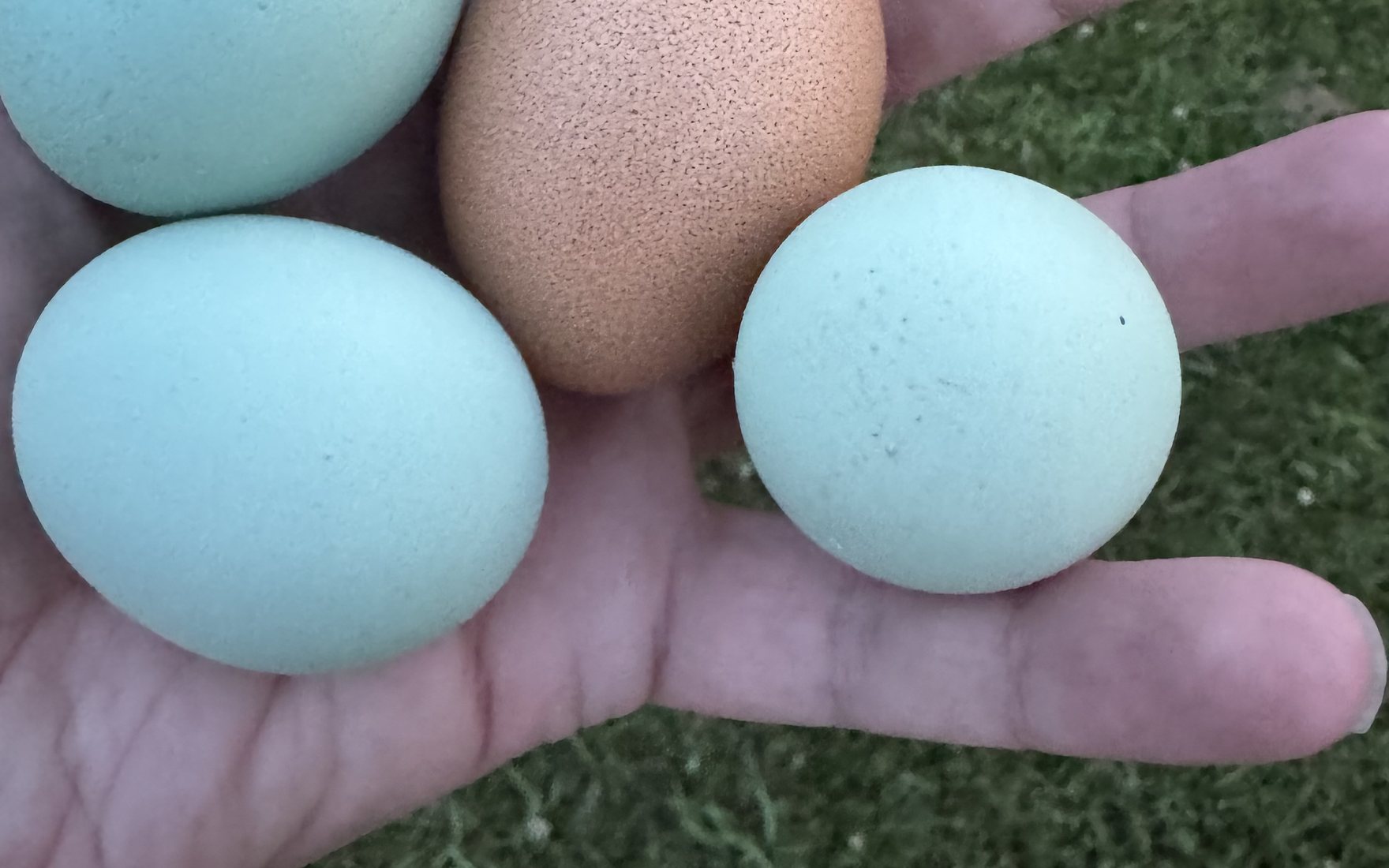
Broilers vs Layers for Beginners
Choosing broilers or layers depends less on trend and more on your goals, budget, space, and appetite for daily routine.
Chickens
Building a Chicken Tractor With Limited Carpentry Skills
Chicken tractors look simple from a distance. In practice, the details that matter most are movement, weather, and whether the build actually fits your skill level.