Most beginners do not need the smartest chicken feeder. They need the one that makes daily flock care less messy, less wasteful, and less annoying to repeat. That is a much better standard than novelty.
A good first feeder should do four things well: hold enough feed for normal life, reduce waste, stay reasonably clean, and avoid becoming one more fragile piece of gear you resent after two weeks.
What I would buy first
For most beginners, I would start with a simple hanging feeder. It keeps the decision narrow, tends to reduce wasted feed better than open ground-level setups, and gives you a clearer read on whether your real problem is feeder design, flock behavior, or storage around the feeder.
What I would avoid at the start
That last point matters more than people expect. Sometimes the feeder gets blamed for problems created by location, rain exposure, rodents, or a bad storage container. A calm setup decision looks at the whole small system, not just the item listing.
Recommendations
Three feeder-related purchases worth considering first
Best first buy
Hanging metal feeder
The most sensible first choice for many beginners because it balances durability, capacity, and simpler daily use.
Check current priceBudget pick
Lower-cost hanging feeder
Works if budget is tight and you are still learning whether chickens fit the season well.
Check current priceBuy with it
Lidded feed bin
A feeder setup stays calmer when the storage around it is dry, organized, and less vulnerable to pests.
Check current priceThe best first feeder setup is not feeder-only
If I were helping a beginner spend carefully, I would treat the feeder, waterer, and feed storage as one purchase conversation. That is because the daily annoyance rarely comes from only one weak spot. It usually comes from the way those three pieces work together.
Before You Buy More Chicken Gear
Price the whole first-flock system, not just the feeder.
Use the chicken cost guide and checklist to decide what really deserves money first.
Read the chicken cost guideChicken setup support
Get the backyard chickens first-year checklist
Use the checklist to plan setup, recurring costs, and the upgrades that can wait until the flock routine is stable.
Best for: Readers trying to price a first flock honestly and avoid a scattered chicken setup.
- A pre-chick setup checklist
- A recurring-cost planning section
- A simple weekly flock-care rhythm
Chicken setup notes, beginner flock lessons, and the checklist first.
After signup, the download will unlock right here so you can save or print it.
Frequently asked questions
What type of chicken feeder is best for most beginners?
For most beginners, a simple hanging or gravity-style feeder is the best starting point because it reduces mess, holds enough feed for ordinary routines, and is easier to manage than novelty feeder systems.
Should beginners buy an automatic chicken feeder first?
Usually no. Automatic feeders can make sense later, but most beginners are better off starting with a reliable basic feeder and learning how their flock, weather, and daily rhythm actually behave first.
How big should a chicken feeder be for a small backyard flock?
Big enough that you are not annoyed by constant refills, but not so oversized that it becomes awkward to clean, move, or keep dry. For many beginner flocks, moderate-capacity feeders are the sweet spot.
Recommendations
Useful tools and resources for this decision
These are included only where they reduce repeated friction, clarify a next step, or help you avoid buying the wrong thing first.
Best first buy
Harris Farms galvanized hanging poultry feeder, 30 lb
A straightforward metal feeder that cuts feed waste and feels more durable than many flimsy starter options.
Check current priceBudget pick
Simple hanging plastic poultry feeder
A lower-cost starting option if you need something functional now and are willing to upgrade later if daily use exposes weak points.
Check current priceBuy with it
Lidded feed storage bin
The feeder matters, but feed storage is what keeps the feeder system from becoming damp, wasteful, and frustrating.
Check current priceRecommended next reads
Read next if it helps the decision
Move into the next guide only if it clarifies the next practical step.
Chickens
Brooder Plate vs Heat Lamp for Beginners
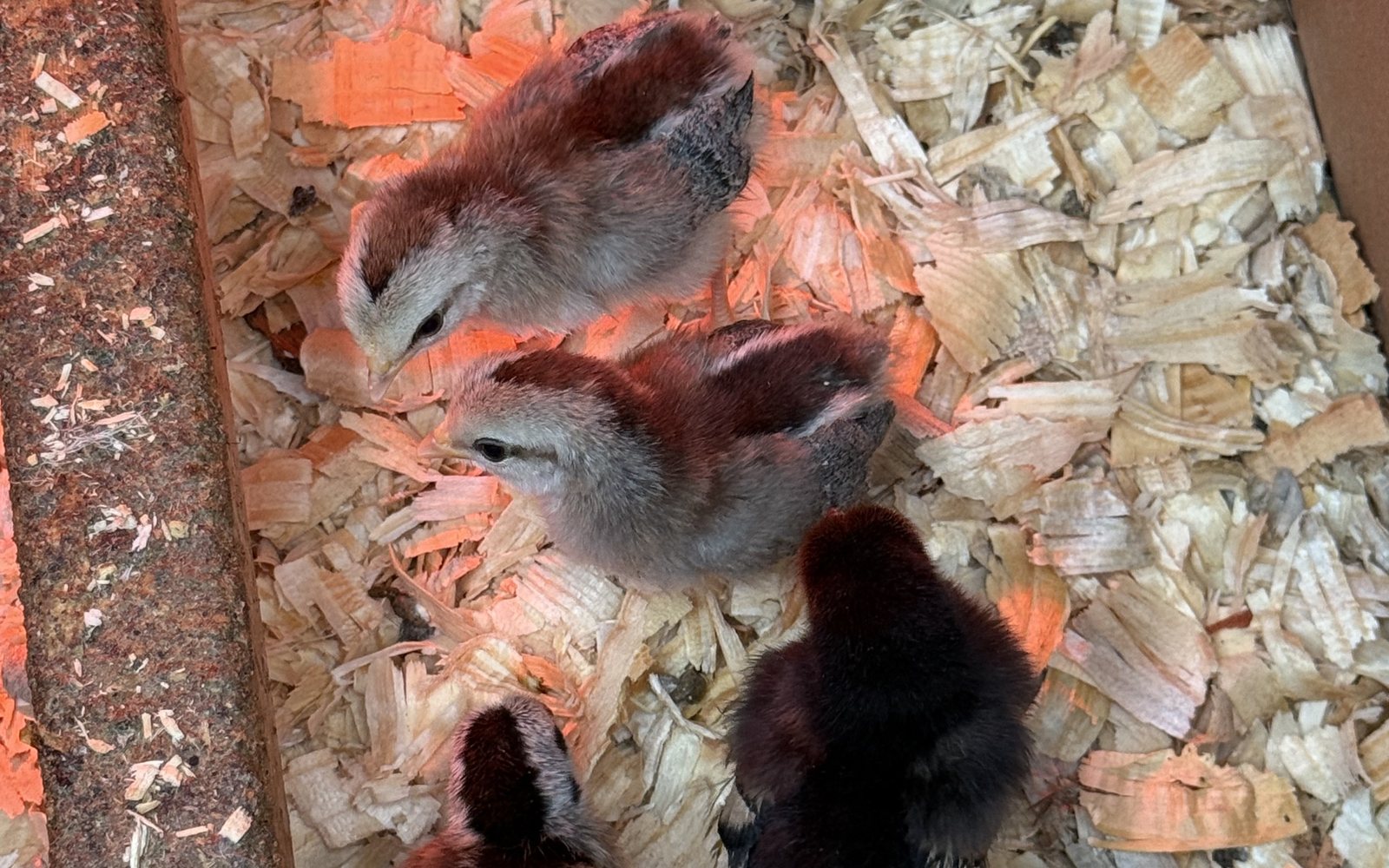
A practical beginner comparison of brooder plates and heat lamps, including safety, chick behavior, setup friction, and which option usually makes more sense first.
Chickens
The Real Cost of Getting Started With Backyard Chickens
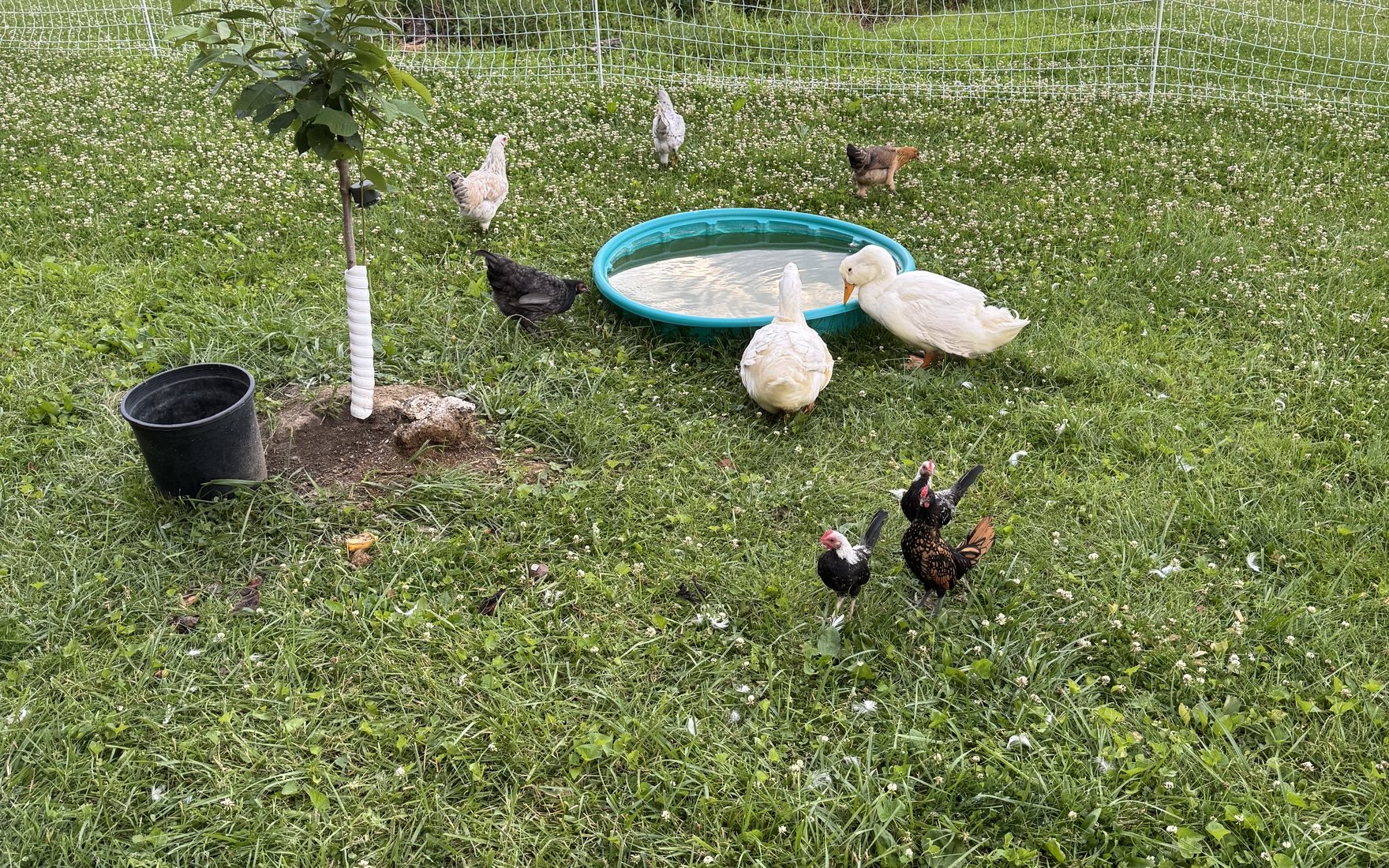
Backyard chickens can be a strong first step into homesteading, but the startup costs and recurring work deserve an honest look.
Chickens
Broilers vs Layers for Beginners
Choosing broilers or layers depends less on trend and more on your goals, budget, space, and appetite for daily routine.
Chicken setup support
Get the chicken setup checklist before you buy more flock gear.
Use the first-year checklist to price the flock honestly, cover the starter essentials, and delay the upgrades that can wait.
Best for: Readers trying to price a first flock honestly and avoid a scattered chicken setup.
- A pre-chick setup checklist
- A recurring-cost planning section
- A simple weekly flock-care rhythm
Chicken setup notes, beginner flock lessons, and the checklist first.
After signup, the download will unlock right here so you can save or print it.
About the author
William Mock
Founder, writer, and beginner homesteader
William writes from the beginner side of rebuilding after a layoff: homestead plans, family systems, budgets, tools, and the decisions that make a home feel less fragile.
Read why this site existsRelated Guides
Keep building context
Chickens
The Real Cost of Getting Started With Backyard Chickens
Backyard chickens can be a strong first step into homesteading, but the startup costs and recurring work deserve an honest look.
Chickens
Broilers vs Layers for Beginners
Choosing broilers or layers depends less on trend and more on your goals, budget, space, and appetite for daily routine.
Chickens
Building a Chicken Tractor With Limited Carpentry Skills
Chicken tractors look simple from a distance. In practice, the details that matter most are movement, weather, and whether the build actually fits your skill level.