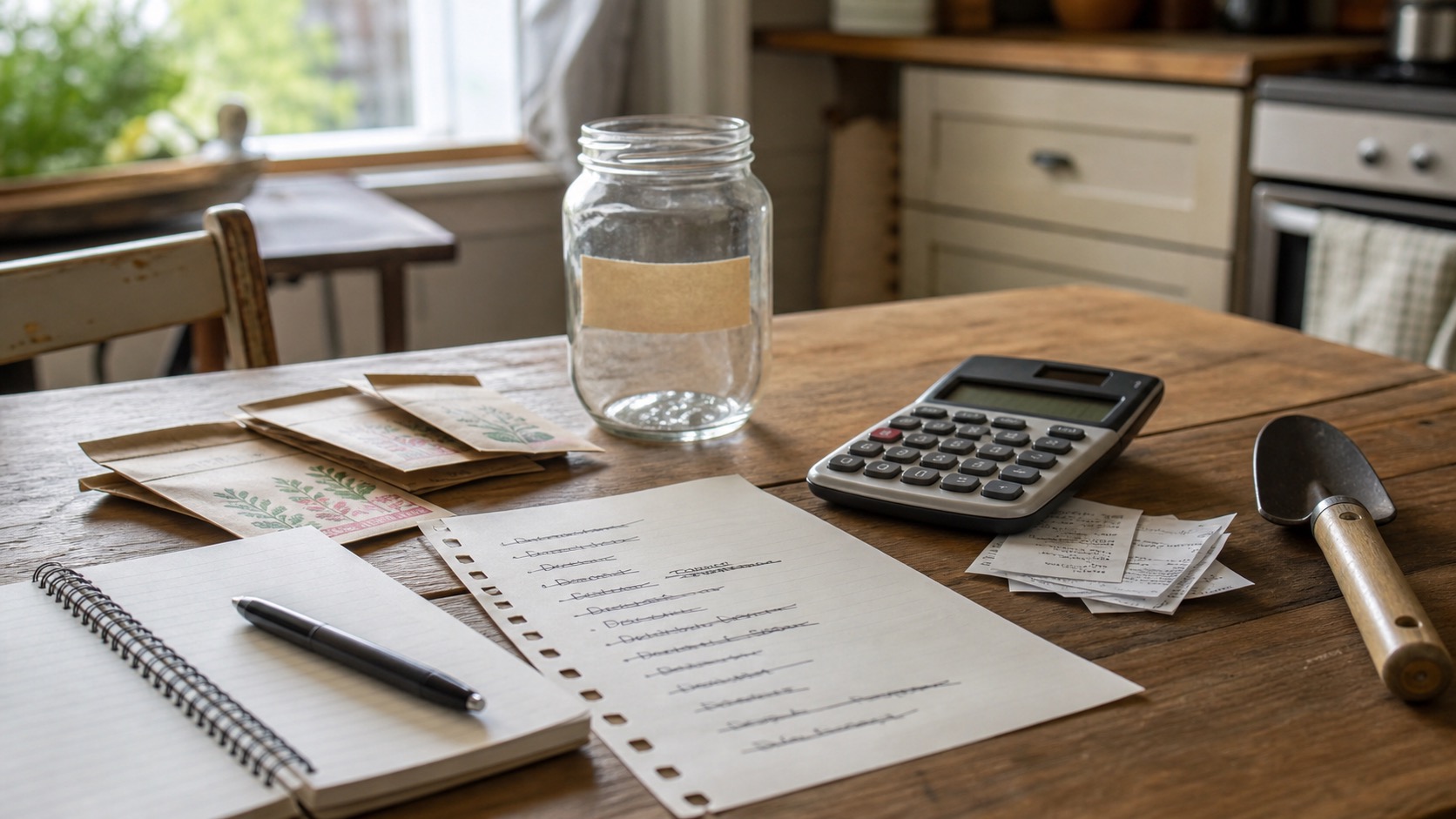
Stop buying duplicate tools, decorative organizing supplies, one-off gadgets, speculative seeds, and project materials without a written finish line. Redirect that money toward recurring costs, safety, soil, feed, water, storage, repairs, and one active homestead priority at a time.
Funding a homestead is not only about earning more. It is also about noticing where money leaks into objects that feel productive but do not make the week easier, safer, or more resilient. I have to watch this closely because a small purchase can feel like progress even when it mostly adds another loose end.
The honest budget is the one that includes the unglamorous parts around the main idea: storage, maintenance, replacement, waste, mistakes, and recurring costs. The useful question is not, "Can I technically afford this today?" It is, "Will this purchase make the next month steadier?"
The real decision underneath this topic
The real decision is which purchases to pause so homestead money funds real systems instead of scattered inspiration. This matters because early homestead spending can look responsible from the outside while quietly draining the cash, attention, and storage space needed for the work that actually repeats.
A stronger first move is to name the constraint before choosing the solution. Is the bottleneck cash, time, space, safety, storage, weather, family capacity, or lack of skill? Each answer points to a different next step.
A realistic beginner scenario
Imagine the week is already full: work or job search, meals, laundry, school or family needs, weather changes, and one project that keeps asking for attention. That is the week this advice has to survive.
If the plan only works when the calendar is open and everyone has energy, it is too fragile. The useful version is smaller, more visible, and easier to repeat. A spending pause is not punishment; it is a way to keep the budget from being decided by tired evenings and open browser tabs.
What I would do first
The important part is not making the first version impressive. The important part is closing the loop. A closed loop teaches you what the next version should be. An open loop mostly creates guilt, clutter, and another decision to carry.
What can probably wait
Most beginners can delay matching containers before a storage problem is defined, extra hand tools before one good tool is maintained, animal gear before housing is ready, and seed varieties beyond the garden space you can manage. Delaying these does not mean giving up on them. It means refusing to spend future energy before the present system has proven it can hold.
Waiting is especially useful when a purchase or project depends on assumptions you have not tested yet. A month of observation can prevent a year of working around the wrong setup.
How to tell if the plan is working
A good beginner plan leaves evidence. You should be able to see whether the work got easier, whether money stopped leaking, whether the household felt calmer, and whether the next decision became clearer.
The clearest signal is repetition. If the routine, tool, crop, budget, or setup still makes sense during a busy week, it probably belongs. If it only works when you are unusually motivated, it needs to be smaller or better placed.
The useful next step
The most useful purchase may be the one you do not make this month.
If you want to turn this into action, write the smallest version on paper today: the cost ceiling, the time window, the materials already on hand, and the first moment in the week when the work will happen. That simple written boundary is often what separates a real homestead step from another idea floating around in your head.
The recommendations below are intentionally plain. This is a stop-buying article, so the only affiliate links that belong here are tools that help slow the decision down, protect what you already own, or make the cost visible before another order happens.
Recommendations
Small tools that support the spending pause
Planning first
Field notebook
Use it for the waiting list, price notes, repair list, and the reason a purchase is paused. If you already have a notebook that stays nearby, use that first.
Check current priceBudget check
Basic calculator
Helpful when project math is happening at the table and you need the full cost, not just the first item in the cart.
Check current priceOnly if needed
Lidded storage tote
Only buy after you know what needs protecting. One tote for current supplies is useful; a matching stack for future supplies can wait.
Check current priceThe real-cost test
A homestead budget becomes useful when it includes the unglamorous costs around the main idea. A garden is not only seeds. Chickens are not only chicks. Tools are not only the purchase price. Every system carries setup, storage, maintenance, replacement, waste, and the cost of mistakes. Beginners do not need perfect forecasting, but they do need a budget that admits these categories exist.
The practical move is to divide spending into three buckets: recurring needs, one active improvement, and later. Recurring needs keep the system alive. The active improvement gets this month’s focus. Later protects you from buying supplies for a version of the homestead that is not real yet.
A final budget reality check
Before money moves, separate the useful purchase from the feeling the purchase is trying to create. Some homestead spending is really an attempt to feel secure, capable, or closer to the future. That is understandable, especially after disruption, but it can empty the budget fast. A stronger plan funds what keeps the active system working this month and writes the attractive-but-not-yet item on a waiting list.
If the numbers still feel tight after this pass, shrink the project before touching the household buffer; margin is part of the system, not leftover money.
Best Next Step
Put the numbers on paper before the next purchase.
The worksheet helps you decide what deserves money now, what can wait, and what should stay off the list completely.
Get the budget worksheetRecommended next reads
Read the next guide that supports this decision
These are the next pieces most likely to help the bigger picture make more sense without sending you in ten directions at once.
Budgeting
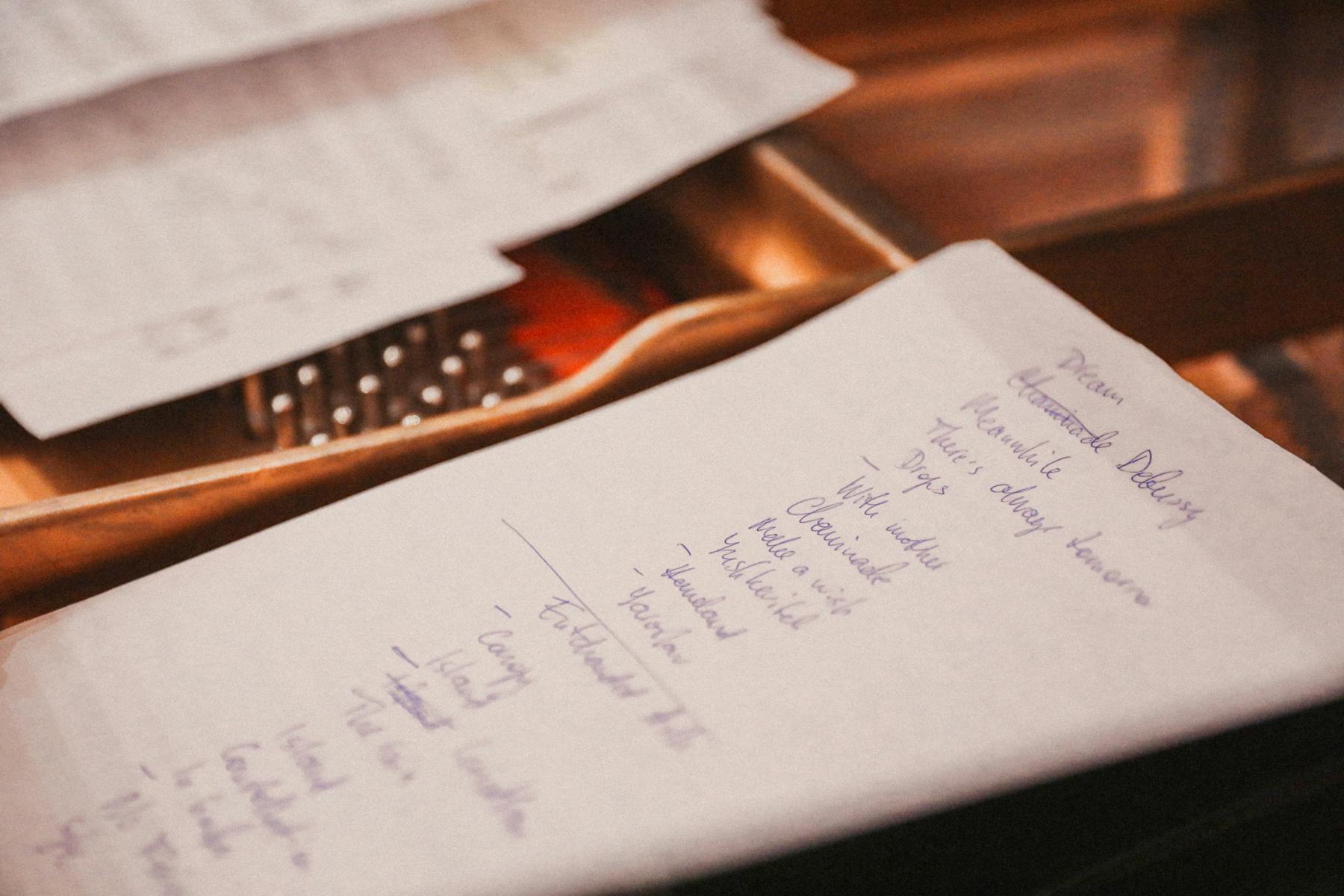
Homesteading on a Budget: What to Buy First and What Can Wait
If money is tight, the smartest homestead purchases are the ones that reduce friction quickly and keep you from rebuying the same lesson twice.
Homesteading
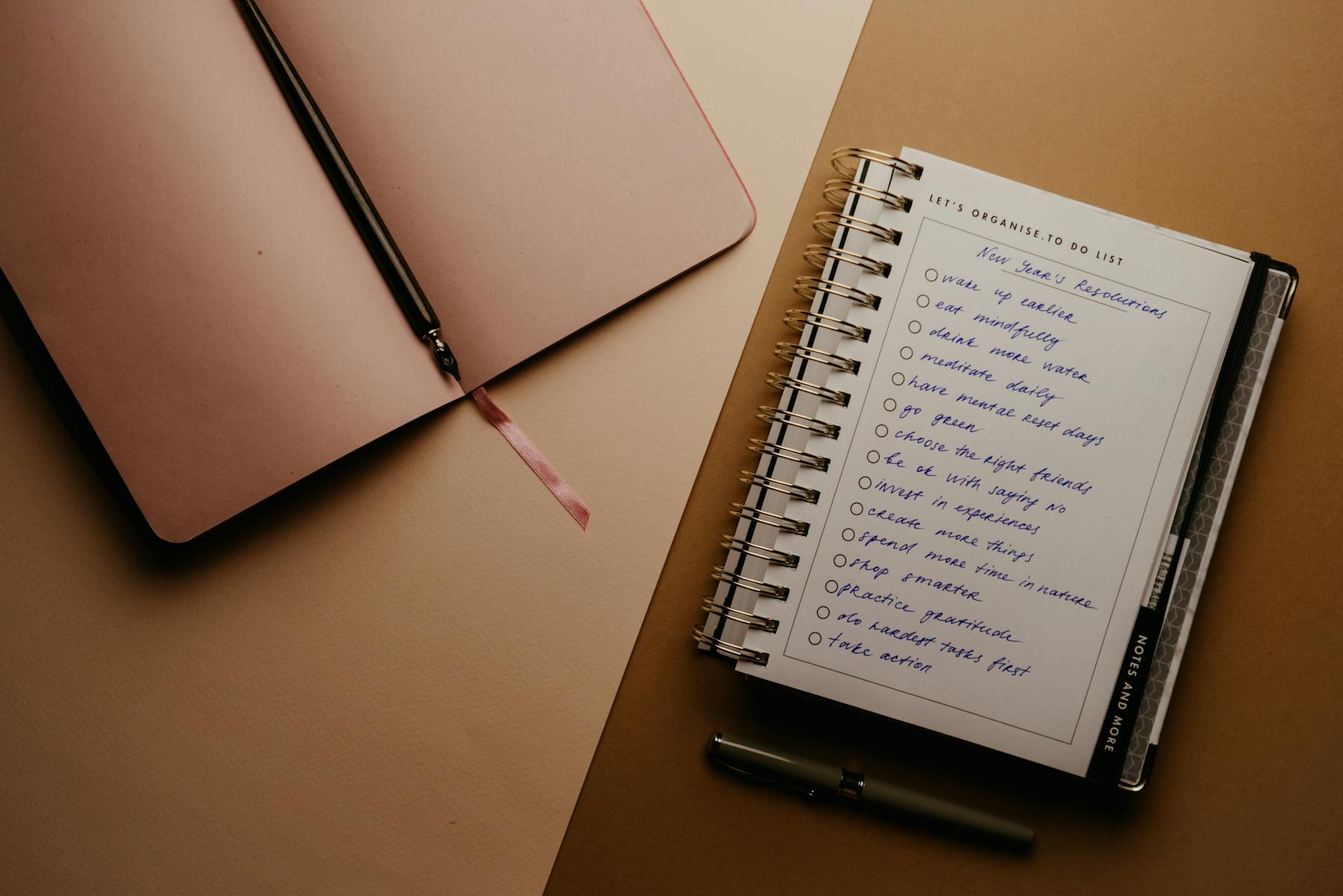
Our First-Year Homestead Priorities: What We’re Doing Now and Why
A first year goes better when priorities are chosen, not inherited. These are the systems and projects we are focusing on now and the reasons behind them.
Tools
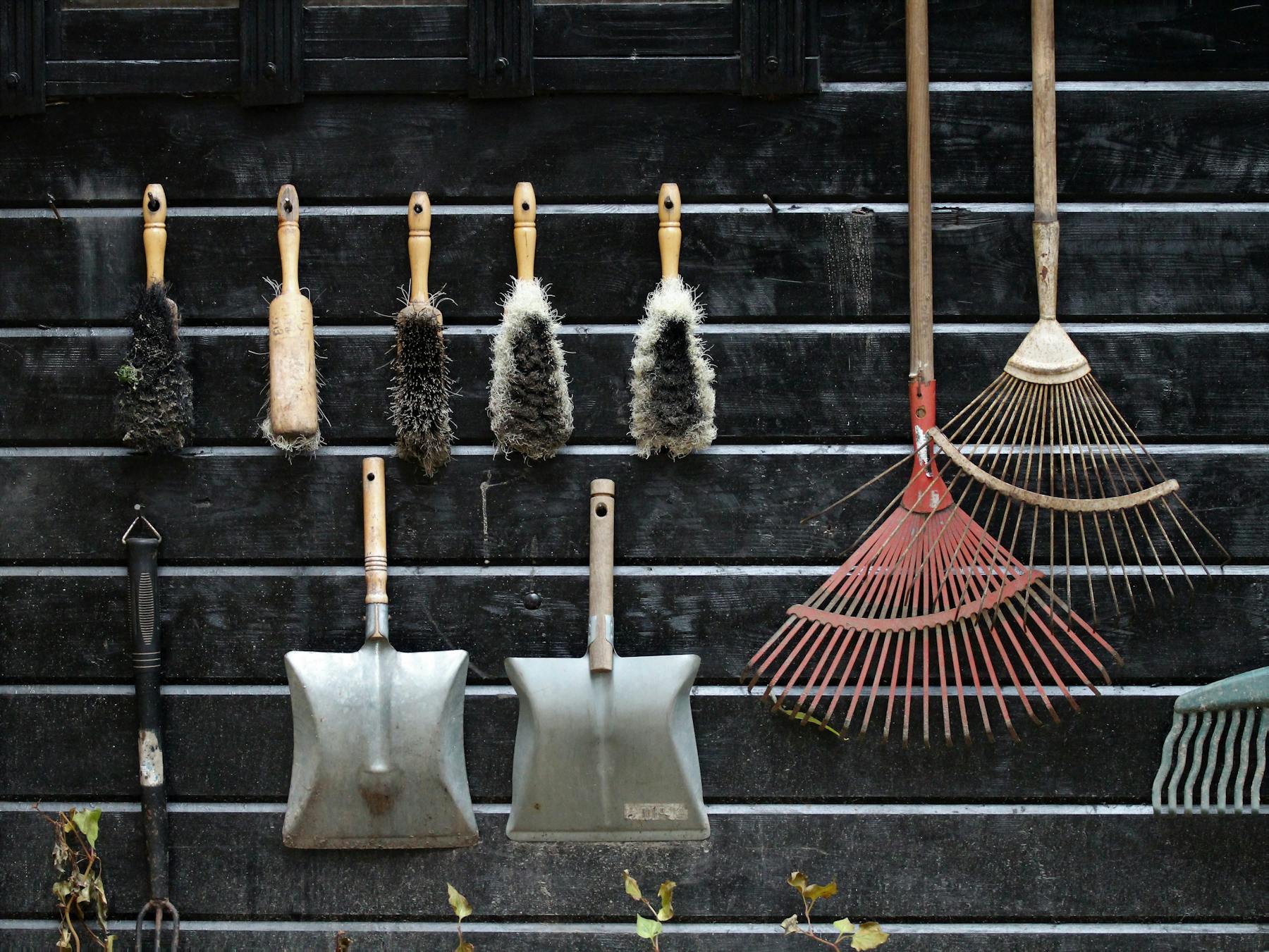
Tools I Actually Use on Our Homestead
A small list of genuinely useful tools beats a big fantasy shopping cart. These are the kinds of things that keep earning their place.
Frequently asked questions
What should I stop buying first when saving for a homestead?
Start with purchases that feel productive but do not serve an active system: duplicate tools, decorative storage, speculative seeds, project supplies without a finish line, and upgrades for chores you have not repeated yet.
How long should I wait before buying homestead gear?
Use a 30-day waiting list for nonessential gear and supplies. If the item still solves a repeated problem after a normal month, it may have earned a place. If the need fades, the money stays in the homestead fund.
Is it wrong to buy good tools while trying to save money?
No. Good tools can be the right purchase when they support repeated work, safety, maintenance, or a system already in use. The problem is buying for a future version of the homestead before the current one has proved what it needs.
Recommendations
Useful tools and resources for this decision
These are included only where they reduce repeated friction, clarify a next step, or help you avoid buying the wrong thing first.
Planning first
Field notebook
A simple notebook earns its place when it catches prices, waiting-list items, repair notes, and the reason you decided not to buy something yet.
Best for: Households trying to slow down impulse homestead purchases without adding a complicated app
Check current priceBudget check
Basic calculator
Useful for quick project math, recurring-cost checks, and comparing the real price of a partial project against the money available.
Best for: Budget checks at the table before a cart turns into a project
Check current priceOnly if needed
Lidded storage tote
Buy only after you know what needs protecting. One useful tote for current supplies beats a matching set bought for a future shed.
Best for: Supplies already on hand that need to stay dry, together, and visible
Check current priceRecommended next reads
Read next if it helps the decision
Move into the next guide only if it clarifies the next practical step.
Budgeting
Homesteading on a Budget: What to Buy First and What Can Wait
If money is tight, the smartest homestead purchases are the ones that reduce friction quickly and keep you from rebuying the same lesson twice.
Homesteading
Our First-Year Homestead Priorities: What We’re Doing Now and Why
A first year goes better when priorities are chosen, not inherited. These are the systems and projects we are focusing on now and the reasons behind them.
Tools
Tools I Actually Use on Our Homestead
A small list of genuinely useful tools beats a big fantasy shopping cart. These are the kinds of things that keep earning their place.
Budget support
Get the budget worksheet before the next purchase.
Use the worksheet to sort purchases into buy now, borrow first, batch later, or skip for now while the first season is still taking shape.
Best for: Households trying to align purchases with this season's actual money, time, and attention.
- A spending-cap worksheet
- A buy, borrow, batch-later filter
- A quick review page for next-month decisions
Budget-first notes, honest tradeoffs, and the worksheet first.
After signup, the download will unlock right here so you can save or print it.
About the author
William Mock
Founder, writer, and beginner homesteader
William writes from the beginner side of rebuilding after a layoff: homestead plans, family systems, budgets, tools, and the decisions that make a home feel less fragile.
Read why this site existsRelated Guides
Keep building context
Budgeting
Homesteading on a Budget: What to Buy First and What Can Wait
If money is tight, the smartest homestead purchases are the ones that reduce friction quickly and keep you from rebuying the same lesson twice.
Homesteading
What I Wish I Knew Before Trying to Build a Simpler Life
A simpler life is not built by adding the right aesthetic. It is built by subtracting noise, choosing better systems, and learning what really matters.
Homesteading
Our First-Year Homestead Priorities: What We’re Doing Now and Why
A first year goes better when priorities are chosen, not inherited. These are the systems and projects we are focusing on now and the reasons behind them.